
Introduction
Barangay Bangkal is a vibrant community at the boundary of Makati and Pasay City, with a total land area of 875,900 square meters. Known as one of the most densely populated barangays in Makati’s First District, it forms part of the Southwestern Cluster and has grown into a lively mix of residential neighborhoods, small businesses, and cultural spots. Today, Bangkal is especially recognized for its many auto supply shops and its famous stretch of antique stores that have been featured in various media, drawing in collectors, artists, and curious visitors alike.
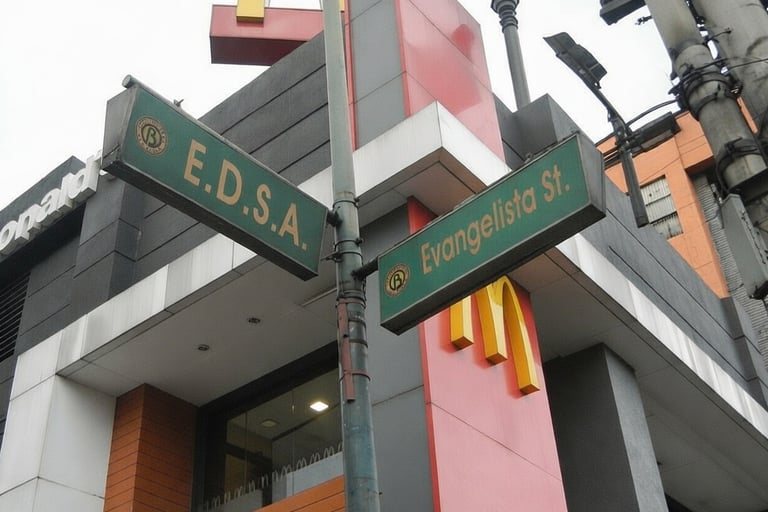
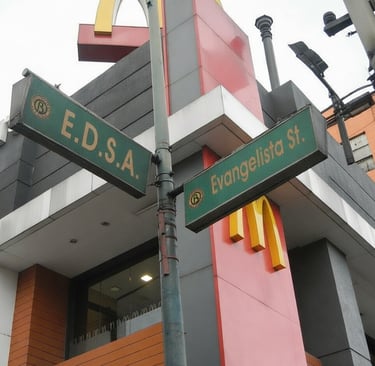
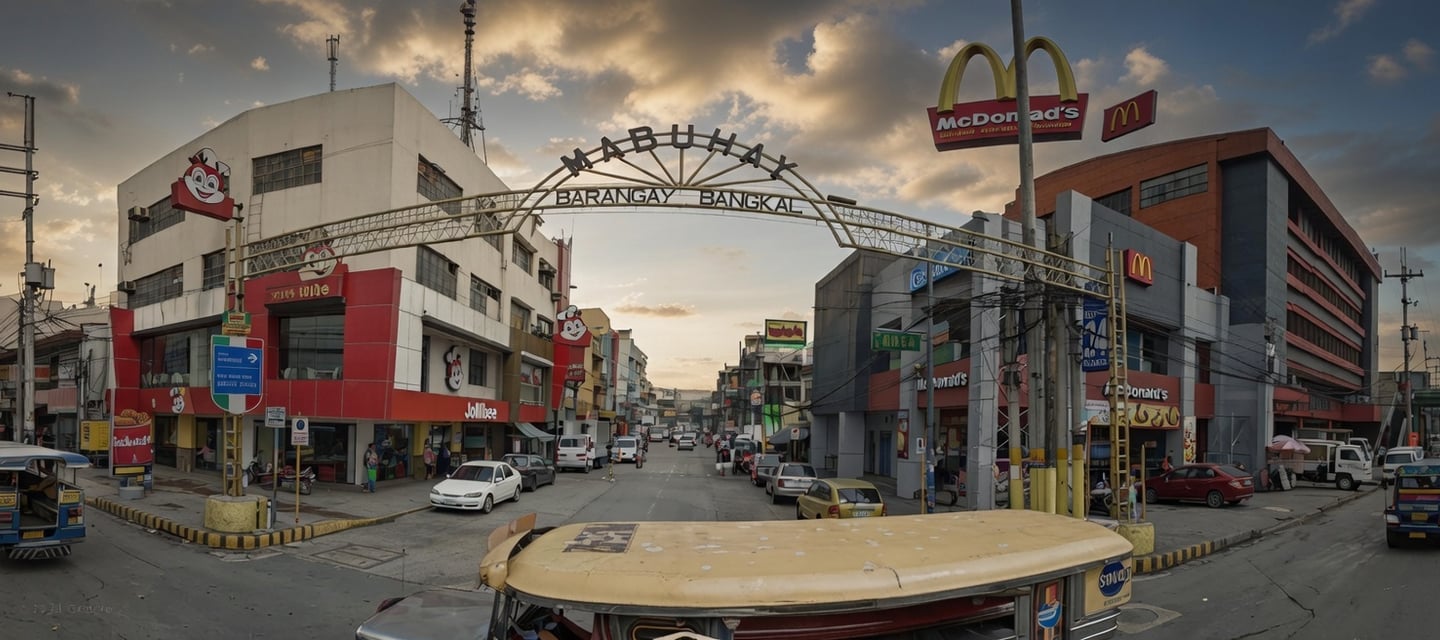
About Barangay Bangkal
The roots of Barangay Bangkal are intertwined with the early history of Makati. In 1571, a Spanish expedition led by Don Miguel López de Legazpi named the area San Pedro de Macati, which was officially changed to Makati in 1914 through Republic Act 2390. Back then, Makati was a vast hacienda owned by Don Jose Bonifacio Roxas. His daughter Margarita later married Antonio A. de Ayala in 1844, marking the beginning of the Ayala family’s deep connection to the development of Makati. The town was once divided into four districts or sitios—Guadalupe, Olympia, Tejeros, and Culi-Culi—within which the old barrio of Bangkal was located.
Bangkal takes its name from the bangcal trees that once grew abundantly in the area, providing shade and character to the landscape. The community was originally a wide expanse of farmland planted with rice, vegetables, flowers, and crops like ikmo, surrounded by bamboo and a rich variety of fruit-bearing trees such as santol, macopa, mabolo, chico, sampaloc, bayabas, suha, caimito, mangga, guyabano, and avocado. These natural resources were the main source of livelihood for the early residents, who lived close to the land and relied on what they planted and harvested every day.
Life in old Bangkal was simple and closely connected to nature. The air was cool and fresh, carried over rice fields, tall grasses, and large trees that framed the barrio. Locals would spend time at the Tripa de Gallina creek, catching fish like martiniko, dalag, hito, buwan-buwan, and tilapia for food. Most homes were traditional bamboo and nipa houses, and meals were cooked in palayok (clay pots) over firewood. Transportation was just as modest—people traveled by karetela, a horse-drawn carriage, and later by early AC-type jitneys in the late 1950s as the area slowly modernized.
Write your text here...
Over the years, Bangkal has been home to many families whose names and stories have shaped the community’s identity across generations. Among the elders remembered by longtime residents are Lolo Segundo; Lolo Abe “Aswang” Montañez; Lolo Mianong “Goto” Garcia; Lolo Itoy “Bato” Felix; Lolo Boyong; Lolo Facio Mayor; Lolo Menes Francisco; Lolo Desto “Kabog” Serafico; Lolo Ambo Alcantara; Lolo Atong Juangco; Lolo Jacinto Bartolome; Ti-Timo delos Santos; Ti-Porong; Ti-Uweng “Caviteño” delos Santos; Ti-Paulino; Ti-Basyong “Gata”; Ti-Uweng “Goto” Alcantara; Ti-Bando and Imo Portentado; Ti-Rustico Reyes Sr.; Ti-Tino “Bangus” Reyes; Ti-Elias Jacinto; Ti-Simeon Alcantara; Ti-Egong Reyes; Ti-Teroy dela Cruz; Ti-Pedro Reyes; Lola Onang; Lola Naya Reyes; Lola Quirina; Ti-Tuning Jacinto; Ti-Boto Garcia; Ti-Coring; Ti-Joseng Tae; Ti-Asiong Galang; and Ti-llot San Juan, among others. Their lives and families form much of the social fabric that connects the Bangkal of the past to the Bangkal of today.
In 1960, the Barrio Charter Act 2370 was enacted by the Philippine Congress, converting Barrio Bangkal into an independent barrio. This law also paved the way for the election of local officials. Before that, leadership was entrusted to appointed Barrio Lieutenants or Tenientes del Barrio. Among those who served were Mr. Buenaventura “Turing” Juangco, Mr. Patricio “Tisyo” dela Cruz, and Mr. Toribio “Ibiong” Pangan, who were each appointed by then Mayor Maximo B. Estrella and helped guide the community through its early years of growth.
Covering a total land area of approximately 74.3 hectares, Bangkal lies southwest of Makati’s town proper and is bordered on the west by the Tripa de Gallina creek, which also serves as the boundary with Pasay City. In the late 1950s, it earned the nickname “Little Cavite” because many families from Imus, Bacoor, Naic, Anabu, Malagasang, Medicion, and Kawit in Cavite settled in the area. To some locals, especially in the southern part of the barrio, Bangkal was also known as Ayala Village. Many of its earlier streets had foreign names—Gardner (now Gen. P. Santos), Hull (now Gen. P. Garcia), Sherman (now Gen. Hizon), Hobart (now Gen. Lim), Stevenson (now Gen. Lucban), and Norton (now Gen. Luna), along with Willer, Colfox, Woods, Hendrix, Fairbanks, and King—many of which were inspired by notable American soldiers and figures.
Through the decades, Barangay Bangkal has also been home to several prominent personalities who contributed to industry, infrastructure, and culture. Among them were Mr. Santos Camara, owner of Camara Shoes and one of the pioneers of the Philippine shoemaking industry; Mr. Cesar Ramirez, a well-known film actor of his time; Engr. Virgilio Dionisio, who helped build the Buendia/SSHW flyover; and Mr. Vicente Zamora, an early manufacturer of Meralco meter bases, ballot boxes, and military aluminum trays, canteens, and plates. Their presence reflects Bangkal’s evolution from a quiet agricultural community into a dynamic urban barangay with a rich history and a strong sense of identity.
Today, Barangay Bangkal stands as a community where history, tradition, and urban life meet—a place where old stories, ancestral names, and former rice fields have given way to busy streets, thriving shops, and a diverse, modern population, while still carrying the spirit of its roots.


Our team
Our strength lies in our individuality. Set up by Esther Bryce, the team strives to bring in the best talent in various fields, from architecture to interior design and sales.


Esther Bryce
Founder / Interior designer


Lianne Wilson
Broker


Jaden Smith
Architect


Jessica Kim
Photographer
Contact
Stay updated with Bangkal Makati news and events and updates.
Group Link
contact@bangkalmakati.com
©Bangkal makati 2012- 2026. All rights reserved.